Not known Incorrect Statements About Lab Grown Diamonds
Table of ContentsThe Ultimate Guide To Lab Grown DiamondsThe Ultimate Guide To Lab Grown DiamondsNot known Factual Statements About Lab Grown Diamonds The Of Lab Grown Diamonds
As you travel closer to the Earth's core, pressure and temperature increase, which develops the best oven for carbon to be exchanged ruby (rubies are the only gemstone to be made from totally one element). Through a huge volcanic eruption, these diamonds were moved to the Planet's surface area. It's estimated this procedure was rather quick (more than likely over the training course of numerous hours), which enabled the rubies to stay intact without melting.The short answer: carat weights gauge the mass of rocks, karats gauge the purity of gold. Carat weight: 1 carat weight amounts to 0.2 grams, regarding the weight of a paperclip (next time you see a photo of Mariah Carey's 35 carat weight involvement ring, just picture the problem of bring 35 paper clips around your finger daily).
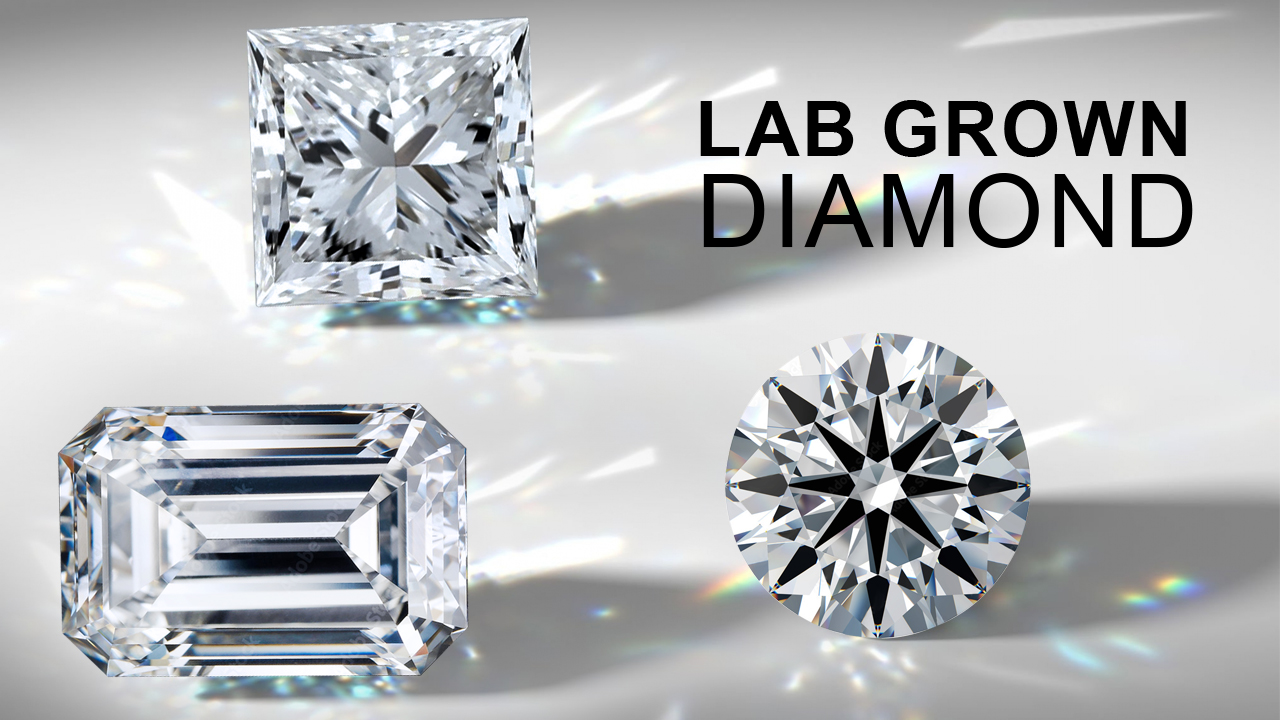
Here are several of the essential advantages of laboratory grown diamonds and lab grown up diamond jewellery:.
Some Of Lab Grown Diamonds
In other words, natural or earth-mined diamonds are crafted over millions of years below the Earth's crust from pure carbon combined with pressure and warm. Producing rubies in a lab calls for the same procedure, just fine-tuned to take location over a much smaller sized period in a a lot more controlled setup.
Whereas earth-mined rubies are rare and limited and often tend to raise in rate with time, laboratory rubies are conveniently available. As need surges, labs can continue to produce lab diamonds implying they are not minimal or limited contrasted to natural diamonds. If you want great precious jewelry from an investment perspective, like lab-grown diamond rings, they won't be a great fit for your demands.
They may assume that the cons of lab-grown diamonds surpass the pros. Disputes, wars, and civils rights problems are all intermingled with the ruby industry. That stated, the ruby market does offer income to third-world countries. Some may suggest that, therefore, purchasing a lab-made diamond likewise comes with its ethical factors to consider, as doing so takes income far from those included in the natural diamond industry who might need it most.
Typical diamonds depend on the Planet's problems to determine their top quality or absence thereof. In a lab, producers can straight control a diamond's quality.
The 8-Minute Rule for Lab Grown Diamonds
You can conveniently discover tinted, man-made diamonds on the (reasonably) affordable side as well as particular cuts that would be more expensive if you were shopping for a mined diamond only. That hardly indicates it isn't worth safeguarding.
all-natural diamonds is that the latter is mined from all-natural deposits in the Planet check out this site while the former is made in a lab using regulated settings. Their quality is greatly the exact same. While the difference in between lab-grown and all-natural ruby alternatives are very little when it pertains to quality, some of the downsides of lab-grown rubies include the fact that the stone will decrease with time and, to some, an absence of sentimental worth that's usually linked with extracted rubies
This expense distinction can be connected to the streamlined production process and the avoidance of costs connected with traditional mining. The Controlled Environment in Which Lab Grown Diamonds Are Developed Allows for Regular High Quality.
Flexibility in Design - Laboratory Grown Diamonds Offer Developers and Consumers a Versatile Combination to Develop One-of-a-kind and Innovative Precious Jewelry Layouts - Lab Grown Diamonds. Laboratory Diamonds Usually Come with A More Transparent Supply Chain.
Unknown Facts About Lab Grown Diamonds
Market Assumption - In Spite Of Their Similar Physical Features, Laboratory Diamonds Might Face Challenges in Market Perception. Some Customers Still Perceive Natural Diamonds as Having Higher Worth and Status. The Production of Lab-Grown Diamonds Can Be Energy-Intensive, Particularly in Techniques Like High Stress Heat (hpht) and Chemical Vapor Deposition (cvd).
Natural Diamonds Are Formed Over Numerous Years Deep Within the Earth, Contributing to Their Perceived Rarity. Lab-Grown Diamonds, Despite Their The Same Characteristic, Might Not Bring the Exact Same Rarity Variable, Affecting Their Viewed Value for Some Consumers. Influence On Diamond-Dependent Economic Situations - the Change In The Direction Of Laboratory Grown Diamonds Might Have Economic Ramifications for Nations and Areas that Depend Upon additional resources The Diamond Mining Sector.
Laboratory Rubies Are of Equal High Quality to Natural Diamonds in Terms of Hardness, Luster, and Clearness - Lab Grown Diamonds. Yes, Lab Diamonds Sparkle Simply Like All-natural Diamonds. Their Radiance and Glimmer Are an Outcome of Their Cut and The Means Light Engages with Their Facets.